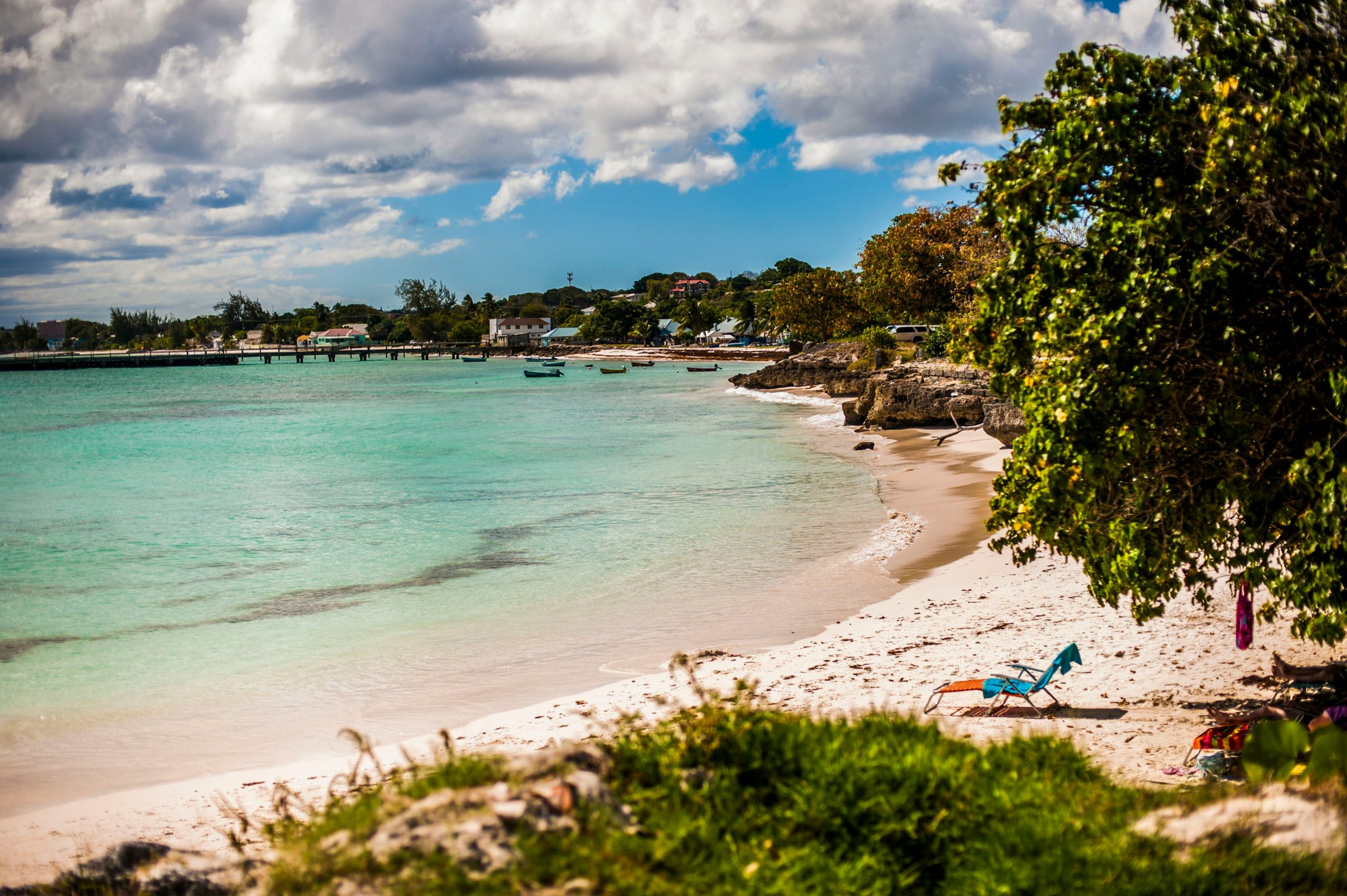

When people think of Barbados, they often picture white sand beaches, crystal-clear waters, and endless sunshine. While the island is certainly one of the Caribbean’s premier beach destinations, Barbados also boasts one of the richest historical and cultural landscapes in the region. For travellers who love discovering the stories behind a destination, Barbados offers an extraordinary journey through more than 400 years of history.
From UNESCO World Heritage Sites and beautifully preserved plantation houses to ancient churches, military fortifications, and vibrant local traditions, the island is a living museum. If you’re planning a cultural holiday in Barbados, here’s how to spend a week exploring its remarkable heritage.
Day 1: Discover Historic Bridgetown and Its Garrison
Begin your journey in Historic Bridgetown and its Garrison, designated a UNESCO World Heritage Site in 2011. Founded in 1628, Bridgetown became one of the British Empire’s most important ports and played a significant role in Atlantic trade.
Start at National Heroes Square before strolling along Broad Street and the Careenage, where merchant ships once unloaded sugar, rum, and goods destined for Europe. The architecture reflects centuries of commercial prosperity and colonial influence.
No visit is complete without spending several hours at the Barbados Museum & Historical Society. Housed within a former nineteenth-century military prison, the museum provides an excellent introduction to the island’s history, covering Indigenous settlement, colonial rule, the sugar industry, slavery, emancipation, military history, and independence.
Top Tip: Begin your holiday here to gain valuable context before visiting the island’s other historic sites.
Day 2: Explore the Historic Garrison
The Historic Garrison is one of the finest surviving British colonial military complexes in the world. Built during the eighteenth century, it reflects Barbados’ strategic importance within the British Empire.
Visit George Washington House, where the future first President of the United States stayed in 1751—the only time he ever travelled outside North America.
Walk around the Main Guard, the Officers’ Quarters, and the famous Garrison Savannah, home to horse racing since the mid-nineteenth century. The carefully preserved buildings provide fascinating insight into military engineering and colonial life.
History enthusiasts should also look for the original cannon placements and defensive structures that helped protect the island for centuries.
Day 3: Understanding the Sugar Industry at St. Nicholas Abbey
No exploration of Barbados’ history would be complete without understanding the sugar industry that transformed the island during the seventeenth century.
St. Nicholas Abbey is one of only three Jacobean mansions remaining in the Western Hemisphere and is among the most important historic sites in Barbados.
Visitors can tour the magnificent plantation house, explore beautifully maintained gardens, and learn how sugar production shaped both the economy and society. Importantly, modern interpretation at the estate increasingly acknowledges the experiences of the enslaved Africans whose labour generated the plantation’s wealth.
Don’t miss the Heritage Railway, which climbs through the estate and offers panoramic views across the island’s lush countryside.
Day 4: Visit Barbados’ Historic Churches
Some of Barbados’ oldest buildings are its parish churches, many of which date back more than three centuries.
Start with St. James Parish Church, established in 1628 shortly after English settlement. Inside, you’ll find beautiful stained glass windows and memorials commemorating generations of Barbadians.
Continue to St. John’s Parish Church, dramatically positioned on a cliff overlooking the Atlantic Ocean. The churchyard contains centuries-old gravestones that provide a fascinating record of the island’s colonial past.
As you travel between parishes, keep an eye out for traditional chattel houses. These colourful wooden homes were originally designed to be moved easily and remain one of Barbados’ most distinctive architectural traditions.
Day 5: Indigenous Heritage and the Wild East Coast
Although much attention focuses on the colonial period, Barbados’ story began long before European arrival.
Archaeological discoveries show that Indigenous peoples, including the Saladoid and Arawak communities, lived on the island centuries before English settlement. The Barbados Museum contains excellent exhibits that help visitors understand this earlier chapter of the island’s history.
Spend the afternoon exploring the dramatic east coast around Bathsheba, where powerful Atlantic waves crash against ancient coral rock formations. This rugged coastline offers a striking contrast to the calmer west coast and provides insight into the island’s unique geology.
Nature and history combine here to create one of Barbados’ most memorable landscapes.
Day 6: Emancipation, Independence and National Identity
One of the most moving experiences during any heritage tour of Barbados is visiting the Emancipation Statue, widely known as the Bussa Statue.
The monument symbolises freedom following the abolition of slavery and commemorates Bussa, the enslaved man associated with the 1816 rebellion that challenged the plantation system.
Continue learning about Barbados’ journey towards self-government by exploring sites connected with Sir Grantley Adams and The Right Excellent Errol Barrow, whose leadership helped shape the modern independent nation.
Today, Barbados stands as one of the Caribbean’s strongest democracies—a remarkable achievement rooted in centuries of perseverance, reform, and national pride.
Day 7: Experience Living Bajan Culture
History isn’t confined to museums and monuments. The final day is dedicated to experiencing Barbados’ living heritage.
Visit one of the island’s historic rum distilleries to discover why Barbados is often called the birthplace of rum. Learn how sugar production led to one of the world’s most famous spirits while exploring centuries-old production methods.
Food also tells the story of Barbados. Sample national dishes including flying fish and cou-cou, pudding and souse, macaroni pie, fish cakes, and sweet bread. Each reflects the island’s blend of African, British, Irish, and Caribbean culinary influences.
Finally, spend time browsing local craft markets, speaking with artisans, and listening to the stories shared by Barbadians whose families have lived on the island for generations. These conversations often become the most memorable part of any cultural visit.
Why Barbados is One of the Caribbean’s Best Heritage Destinations
Barbados offers far more than beautiful beaches. Its rich history spans Indigenous settlement, colonial expansion, the transatlantic slave trade, emancipation, democratic development, and a vibrant modern culture that continues to evolve.
Unlike many destinations where history feels disconnected from daily life, Barbados wears its heritage proudly. Historic churches remain active places of worship, colonial buildings continue to serve modern purposes, traditional festivals celebrate centuries-old customs, and family recipes preserve generations of cultural memory.
For travellers interested in meaningful experiences, Barbados rewards curiosity at every turn.
Whether you’re wandering the streets of UNESCO-listed Bridgetown, exploring a seventeenth-century plantation, admiring centuries-old architecture, or enjoying conversations with local guides, you’ll discover that every corner of the island has a story to tell.
A week is just enough to scratch the surface—but it’s more than enough to understand why Barbados is one of the Caribbean’s most fascinating cultural destinations.
Planning Your Heritage Holiday in Barbados
The best way to experience Barbados’ history is to balance museum visits with guided walking tours, plantation estates, historic churches, and opportunities to meet local people. Hiring knowledgeable local guides adds depth to every visit and helps bring the island’s remarkable past vividly to life.
For anyone passionate about history, archaeology, architecture, or cultural tourism, Barbados offers an unforgettable journey through one of the Caribbean’s most compelling historical landscapes.