
Holetown Festival

The Holetown Festival is one of Barbados’ most important cultural celebrations, held annually in the historic town of Holetown on the island’s west coast. The festival commemorates the arrival of the first English settlers in 1627, an event that marked the beginning of Barbados’ colonial history and the development of modern Barbadian society. Typically staged in mid-February, the week-long celebration brings together history, culture, and community in a lively showcase of national pride.
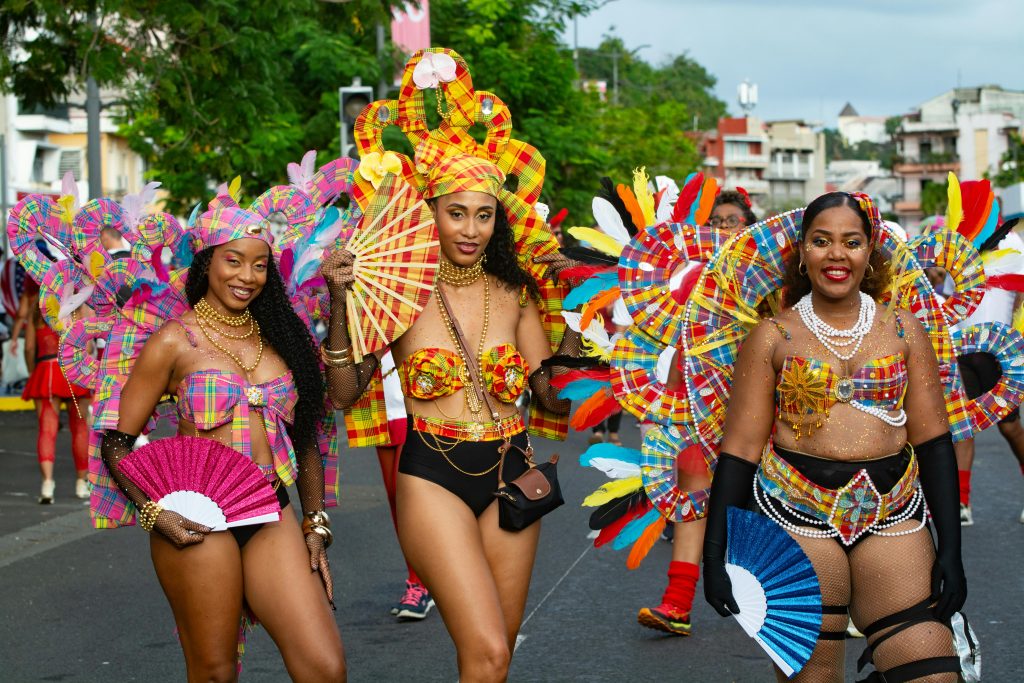
Throughout the festival, Holetown transforms into a hub of activity featuring parades, live music, cultural performances, and street fairs. Visitors can enjoy calypso, soca, reggae, and traditional tuk band music, as well as folk dancing and theatrical presentations that highlight Barbadian heritage. A popular highlight is the grand parade, which includes costumed performers, school groups, community organisations, and classic cars. Craft markets and food stalls line the streets, offering locally made goods alongside traditional Bajan dishes such as fish cakes, cutters, and pudding and souse.
In addition to entertainment, the Holetown Festival emphasizes community participation and family-friendly activities. Sporting events, fun runs, beach competitions, and children’s games ensure that people of all ages can take part. Historical tours and heritage displays also provide opportunities to learn about the significance of Holetown as the site of the first English settlement. Landmarks such as St. James Parish Church and the Holetown Monument play an important role in these educational aspects of the festival.
Overall, the Holetown Festival blends celebration with remembrance, honouring Barbados’ past while showcasing its vibrant present-day culture. Unlike the high-energy revelry of Crop Over, Holetown has a more relaxed, community-centred atmosphere, making it especially appealing to families, history enthusiasts, and visitors seeking an authentic Barbadian experience. The festival stands as a symbol of national identity and continuity, celebrating the island’s origins while bringing people together in a spirit of unity and pride.